BASE
Smart System Ultra-Integration Research and Development Center
A co-creation hub for next-generation implementations
~Ultra-integrated technology: From prototyping to demonstration.~
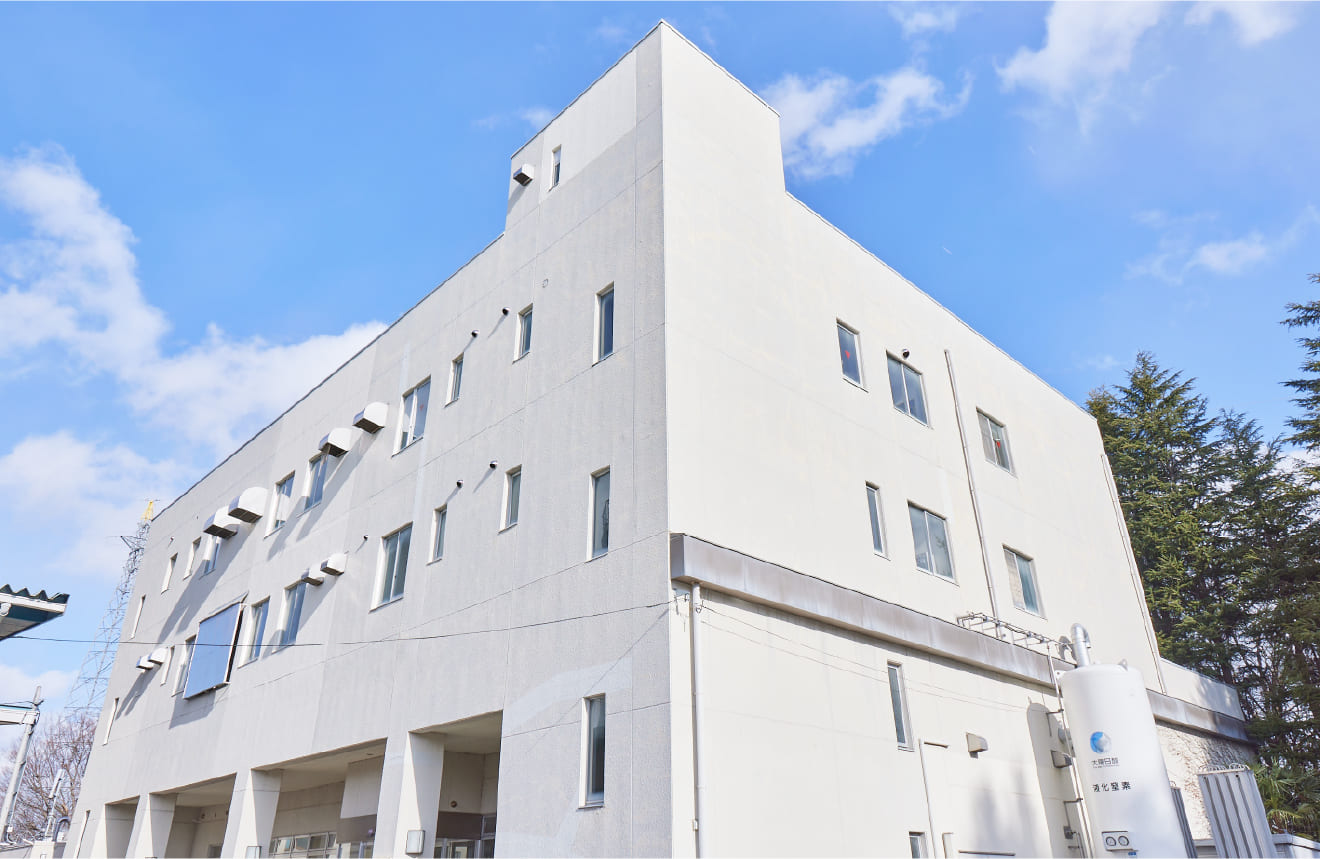
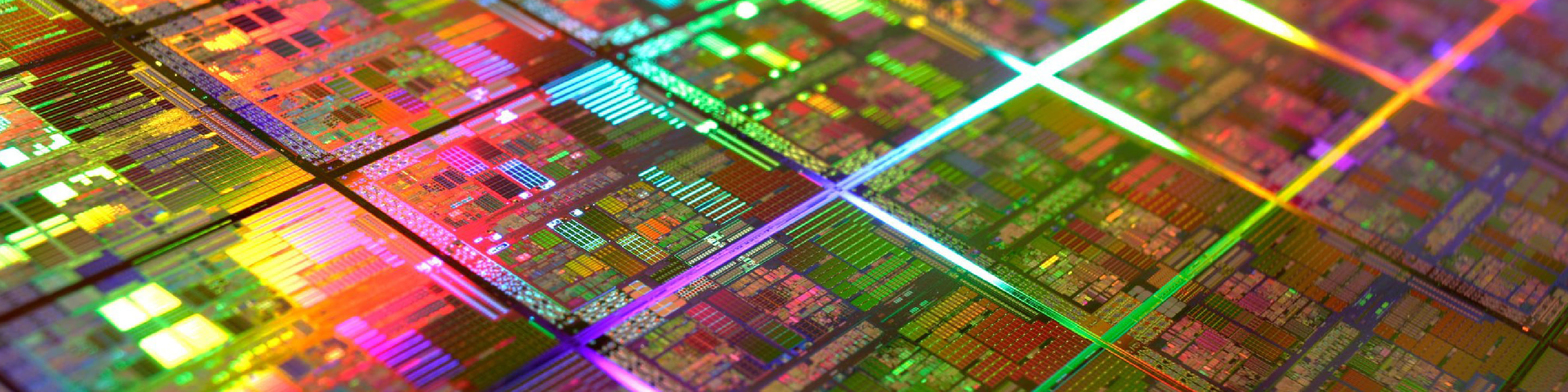
The Smart Systems Ultra-Integrated Research and Development Center (SIRC), affiliated with the Graduate School of Engineering, Tohoku University, inherits the functions and achievements of the former Micro- and Nano-Machining Research and Education Center (MNC). It was reorganized and renamed in April 2026 to promote next-generation smart systems research, including chiplet integration, 3D packaging, silicon photonics, quantum and biosensors, and the integration of edge AI.
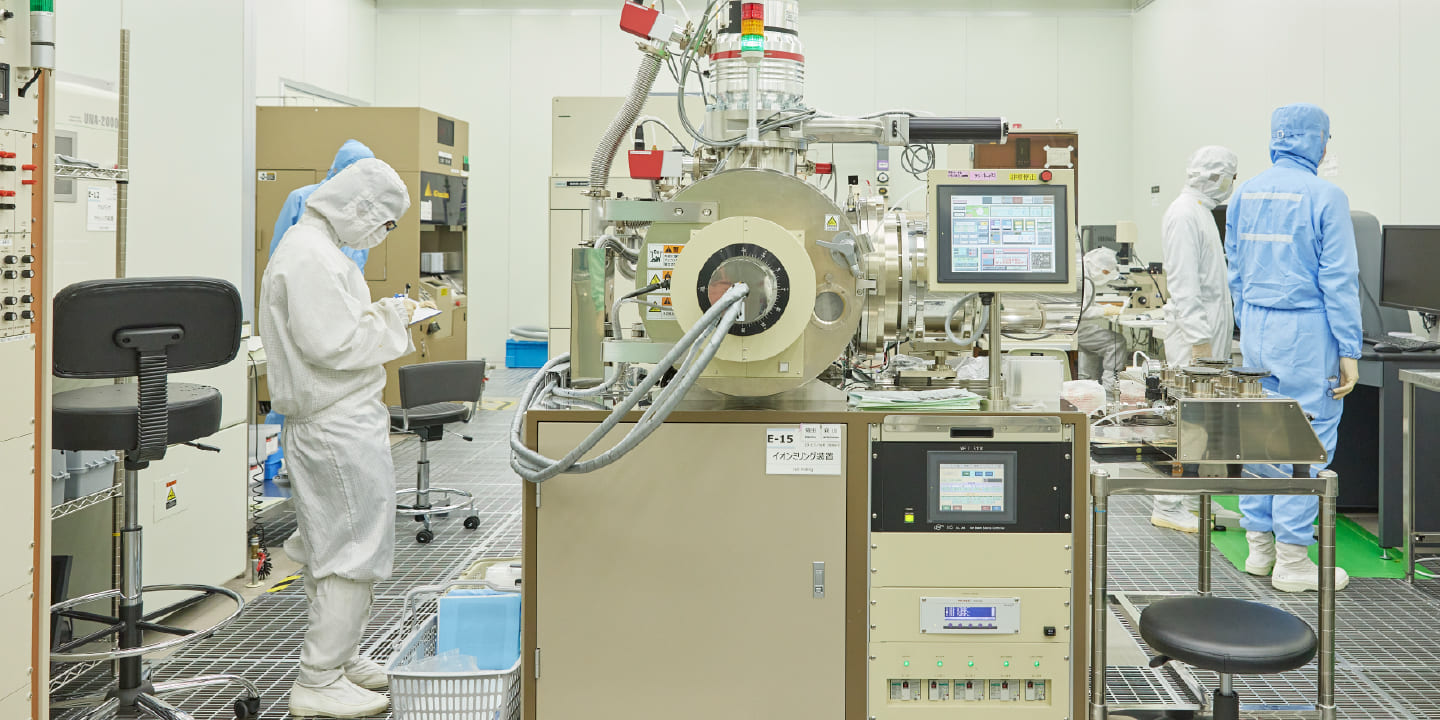
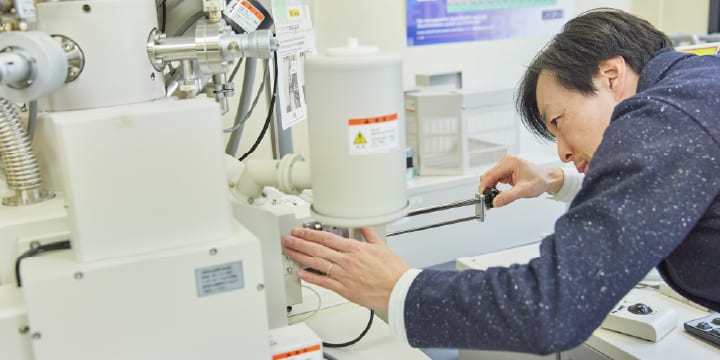
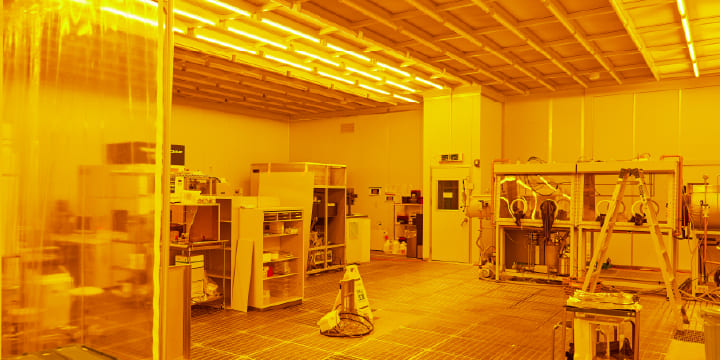
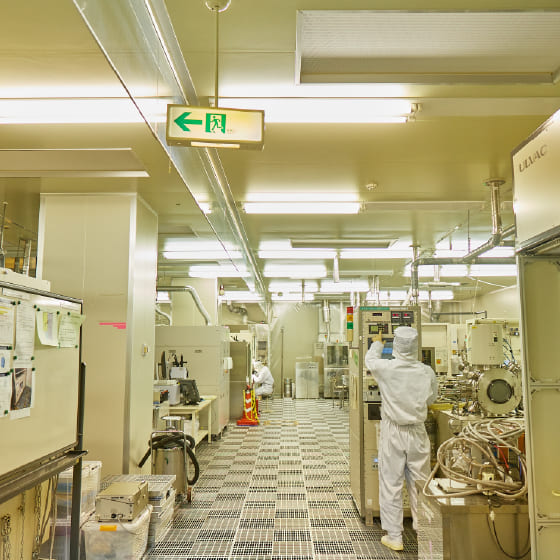
SIRC provides one of Japan’s leading microfabrication and evaluation environments, centered on the Main Building
(cleanroom: 600 m²) and the Nano Building (cleanroom: 150 m²), enabling an integrated workflow for MEMS/LSI
processes, design, evaluation, and prototyping. It is operated as a hybrid hub for
research and development × shared use, combining two core functions: a “research and development
function,” in which researchers from within and outside the university utilize the facilities to prototype and
demonstrate cutting-edge devices themselves, and a “research support function,” which supports a wide range of
research activities through equipment maintenance, technical training, and process consultation. In addition, equipment maintenance and management are carried out by users, including
faculty, staff, and students, serving as an educational platform that deepens understanding of equipment and
processes while simultaneously promoting advanced research.
The organizational structure is built on four pillars: (1) advanced packaging and heterogeneous integration, (2)
advanced sensing, (3) silicon photonics, and (4) shared use (functional succession). It accelerates development
with a scope that includes prototyping, evaluation of heterogeneous materials, and system-level
demonstration—areas that are difficult to address in mass production lines. By inheriting and expanding the
highly utilized shared infrastructure from the former MNC era (over 50 laboratories, approximately 300
registered users, and more than 44,000 hours of annual usage), SIRC contributes to next-generation smart system
technologies, as well as practical education and the development of researchers, through collaboration and
co-creation within and beyond the university.

Strengths
-
01
Accelerating Prototyping and Demonstration of Ultra-High Integration
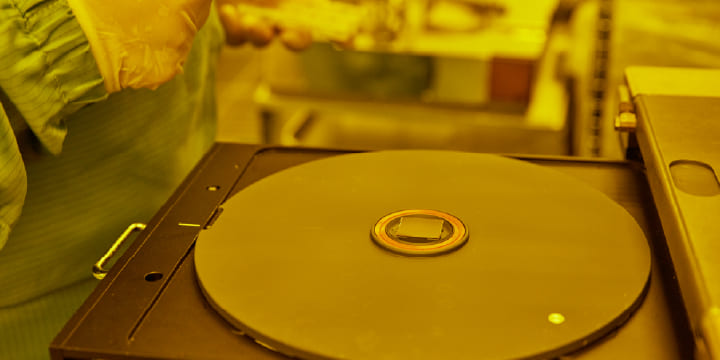
Provides integrated support for prototyping, process optimization, and evaluation of chiplets, 3D ICs, low-temperature bonding, and heterogeneous material integration.
-
02
Advanced Devices × System Integration
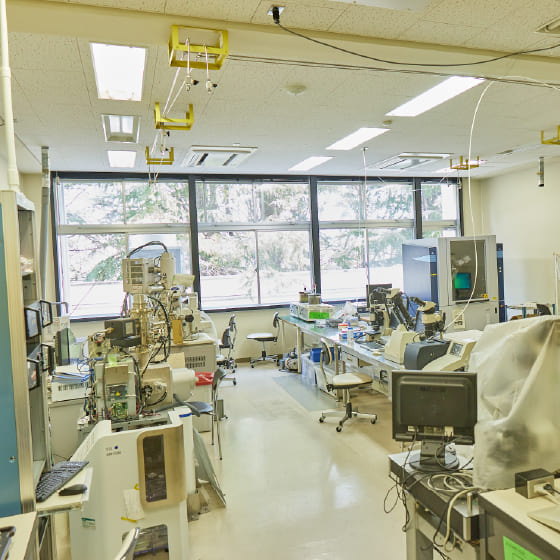
Demonstrates smart systems by combining edge AI with quantum, bio, and physical sensors, as well as silicon photonics at the core.
-
03
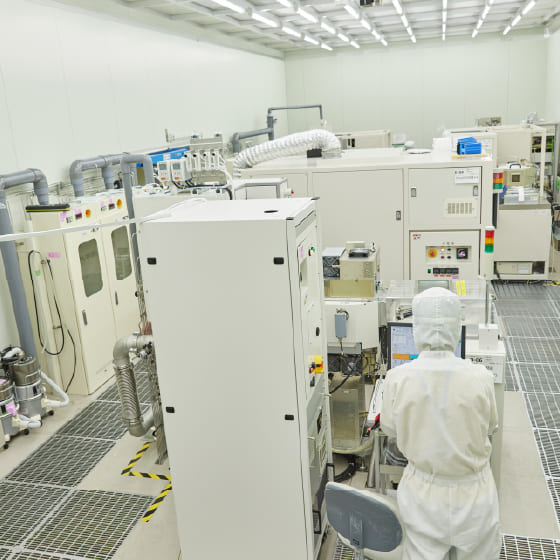
Robust Operational Infrastructure for Shared Use
Supports diverse researchers through shared management of cleanrooms and equipment, technical training, and process consultation.
Researchers
-
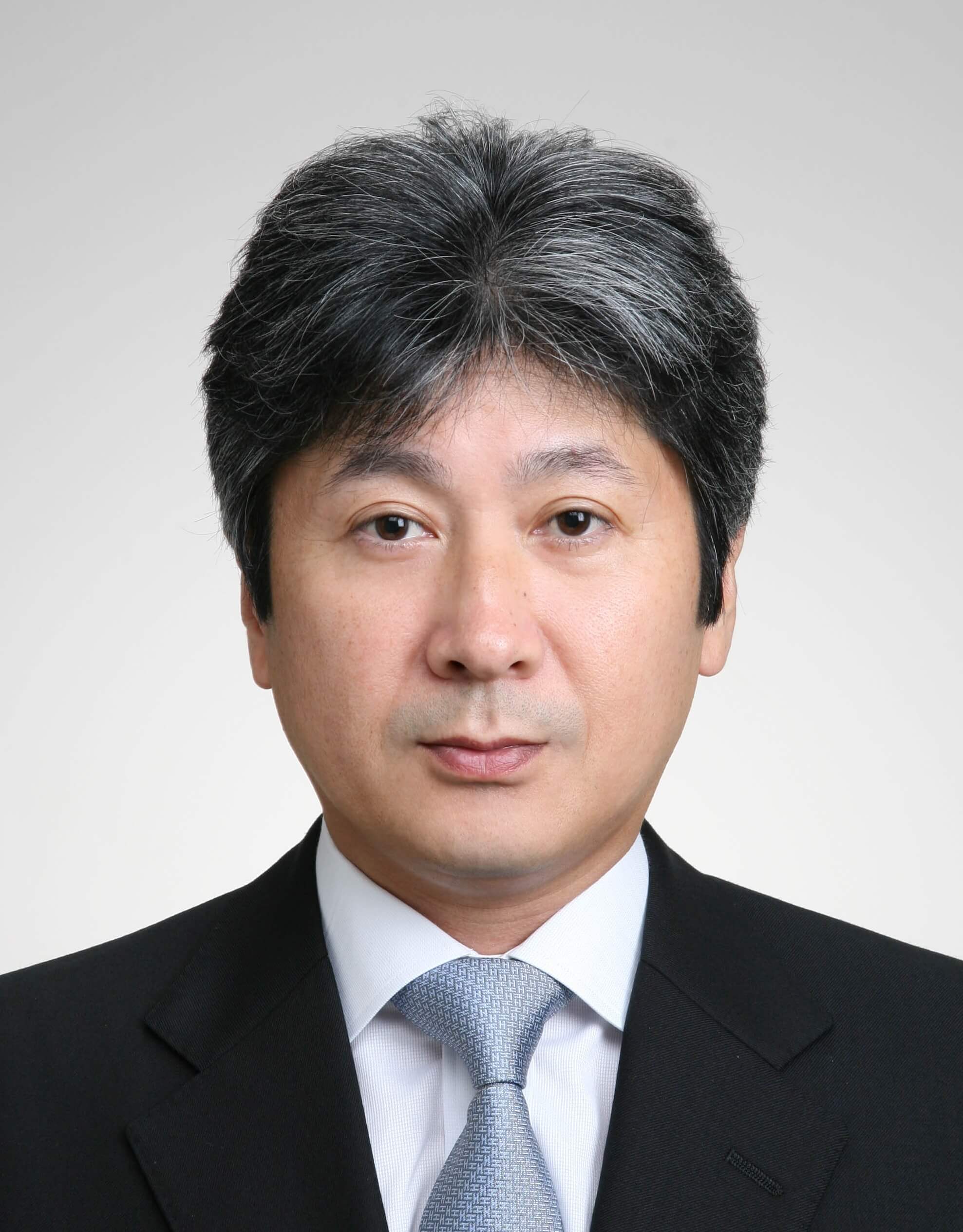
Professor
Eiji Higurashi
Develop low-temperature bonding technology to realize heterogeneous integration of chips with various functions fabricated with different materials and processes, including high heat dissipation structures required for energy-saving and ultra-low power consumption semiconductor devices.
-
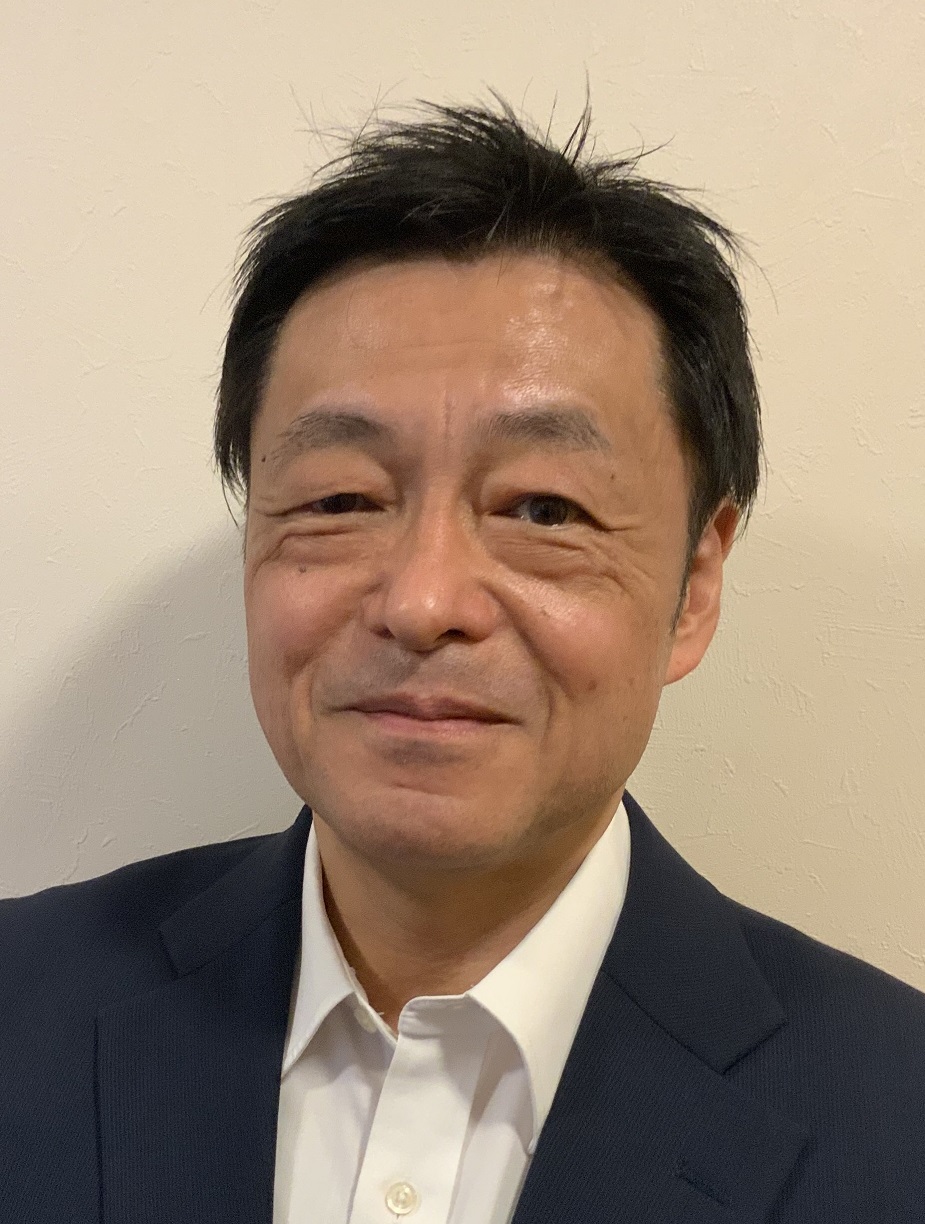
Professor
Yoichi Haga
Using microfabrication technology, we are developing highly functional and multifunctional minimally invasive medical devices such as endoscopes and catheters, thin and light wearable healthcare devices that are worn on the body surface, and sensor-equipped organ models that are useful for surgical training for doctors and medical device development.
-
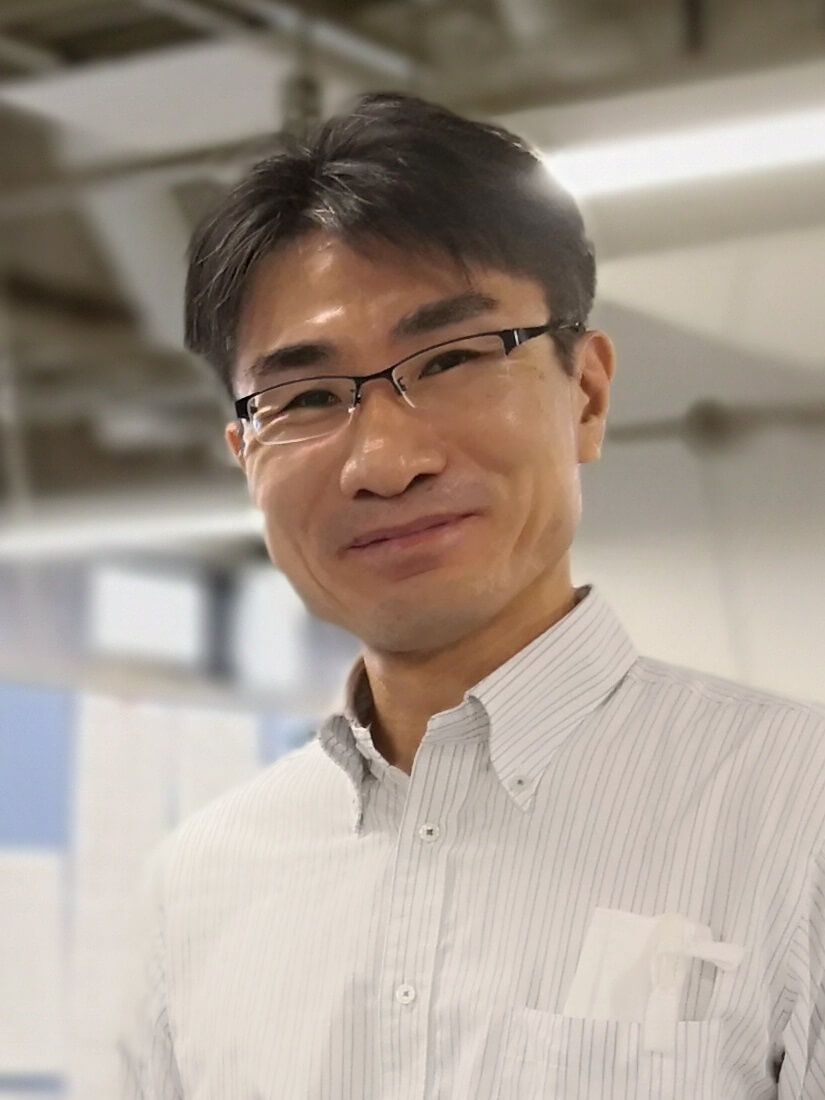
Professor
Shuji Tanaka
We support customers to design, prototype evaluate and package MEMS by providing the intuition, best methodology, past cases and common sense of MEMS industry. We propose the solution of the problem related to MEMS and packaging, and accompany the customers from the conception to commercialization.
-
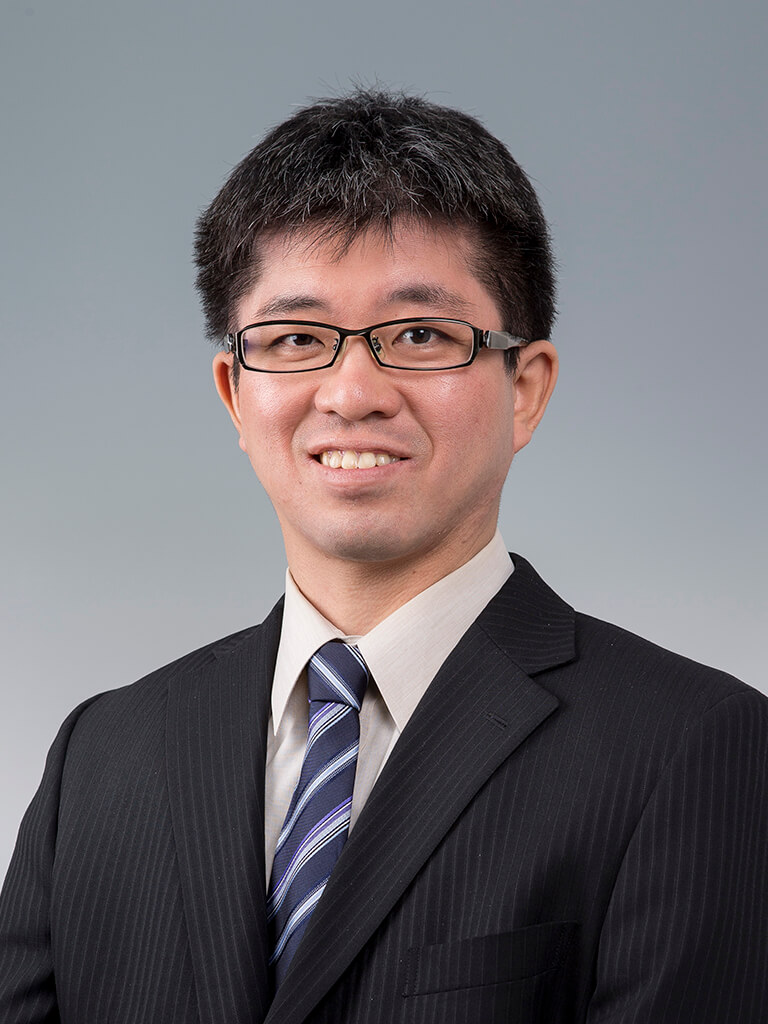
Professor
Yoshiaki Kanamori
Toward the Mobility as a Service (Maas) society, we are developing ultra-compact and high-performance nano-micro optical sensor systems that transcend human perception. We are not only developing devices based on optical MEMS, but also new principle optical devices incorporating metamaterial-based plasmon and near-field optical control technologies.
-
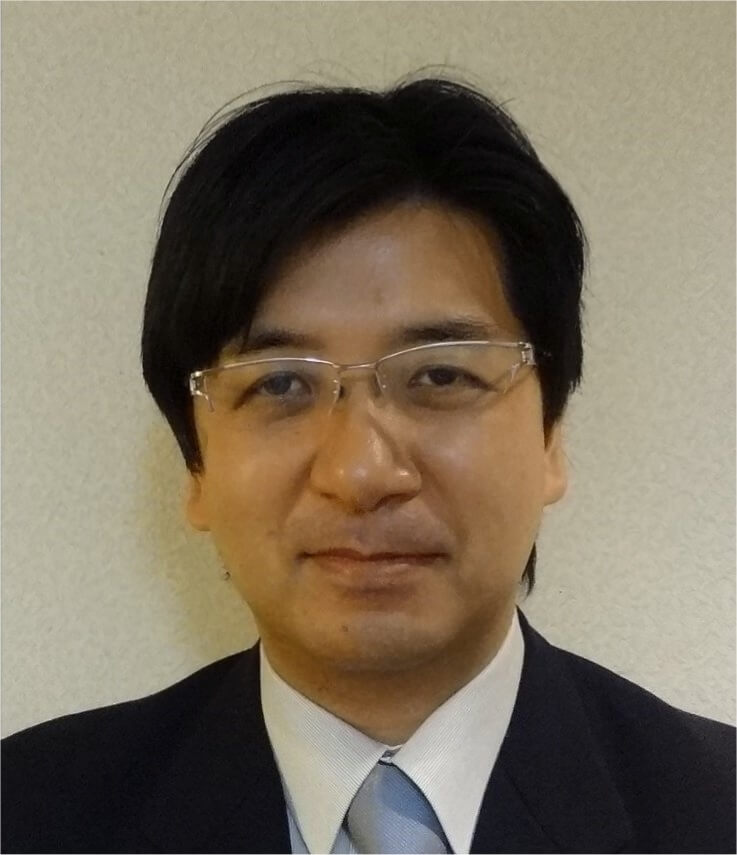
Professor
Takahito Ono
Using nanotechnology and functional material technology, we are developing highly sensitive and functional sensors, autonomous sensor systems, and energy harvesters, which are key technologies in IoT era, and are also conducting applied research on these technologies.
-
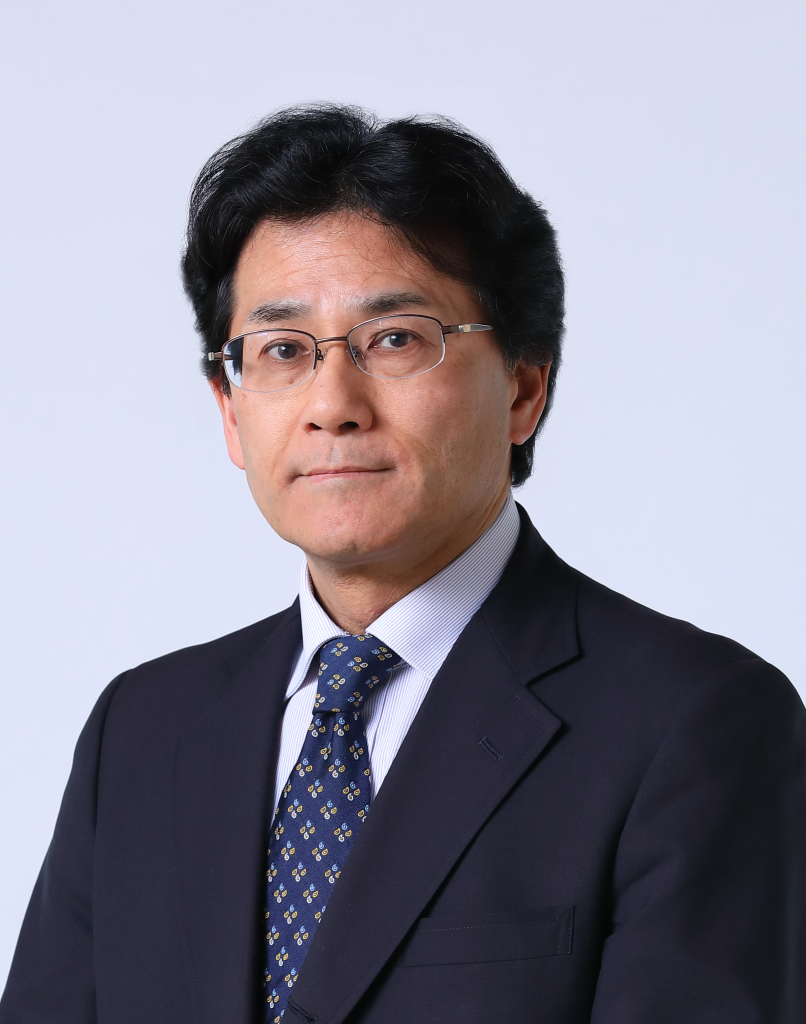
Professor
Tetsu Tanaka
Semiconductor neural engineering is a discipline that uses semiconductor process/device/circuit technologies to further understand the properties of neural systems and to create novel fusion systems of living bodies and machines. Our goals are to establish semiconductor neural engineering and develop biomedical micro/nano integrated systems through research including Intelligent neural probes and brain-machine interface, a Fully-implantable retinal prosthesis system, and 3D integration technology and analog/digital IC design.
拠点
-
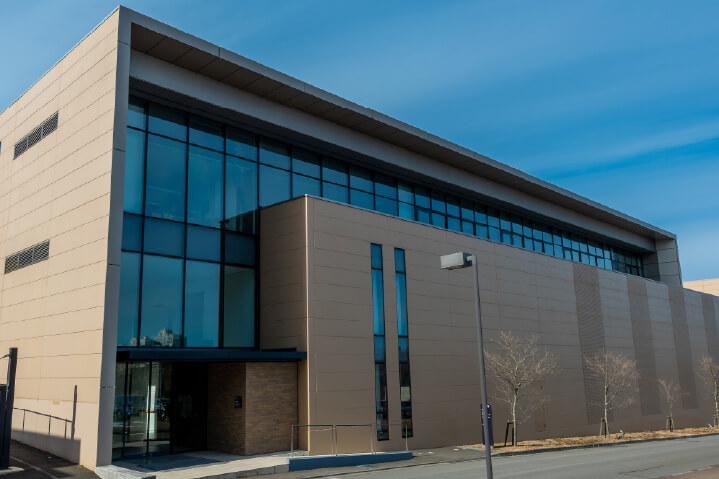
Spintronics Low-Power Semiconductor Development Hub
Design, Prototype verification, Evaluation and System development for
・Power saving logic semiconductor,
・AI processor,
・Next generation embedded memory (MRAM) with spintronics technology.VIEW DETAIL
-
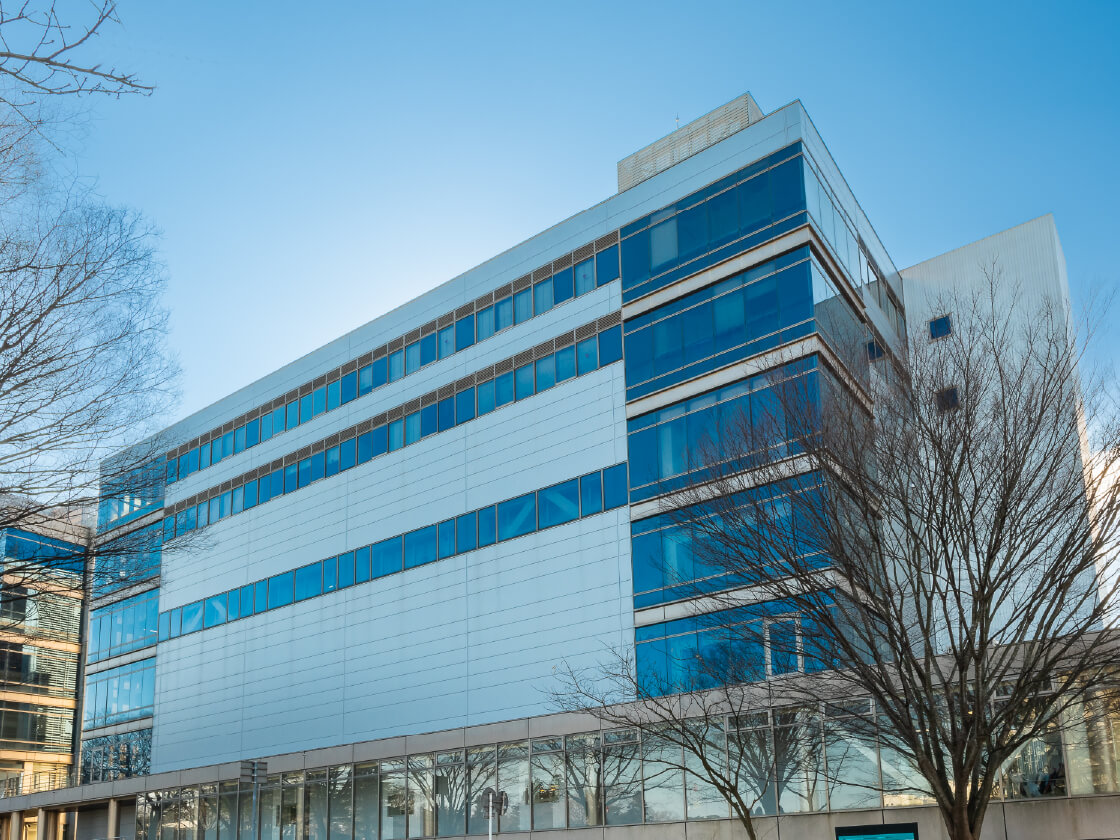
Hub for Semiconductor Manufacturing Process, Parts, Material and Image Sensors
R&D based on ultra-clean process technology and image sensor technology for
・Ultra-small particles during manufacturing,
・Visualize gas flows,
・Ultra-clean parts,
・High-performance image sensor, Wiring materialsVIEW DETAIL
-
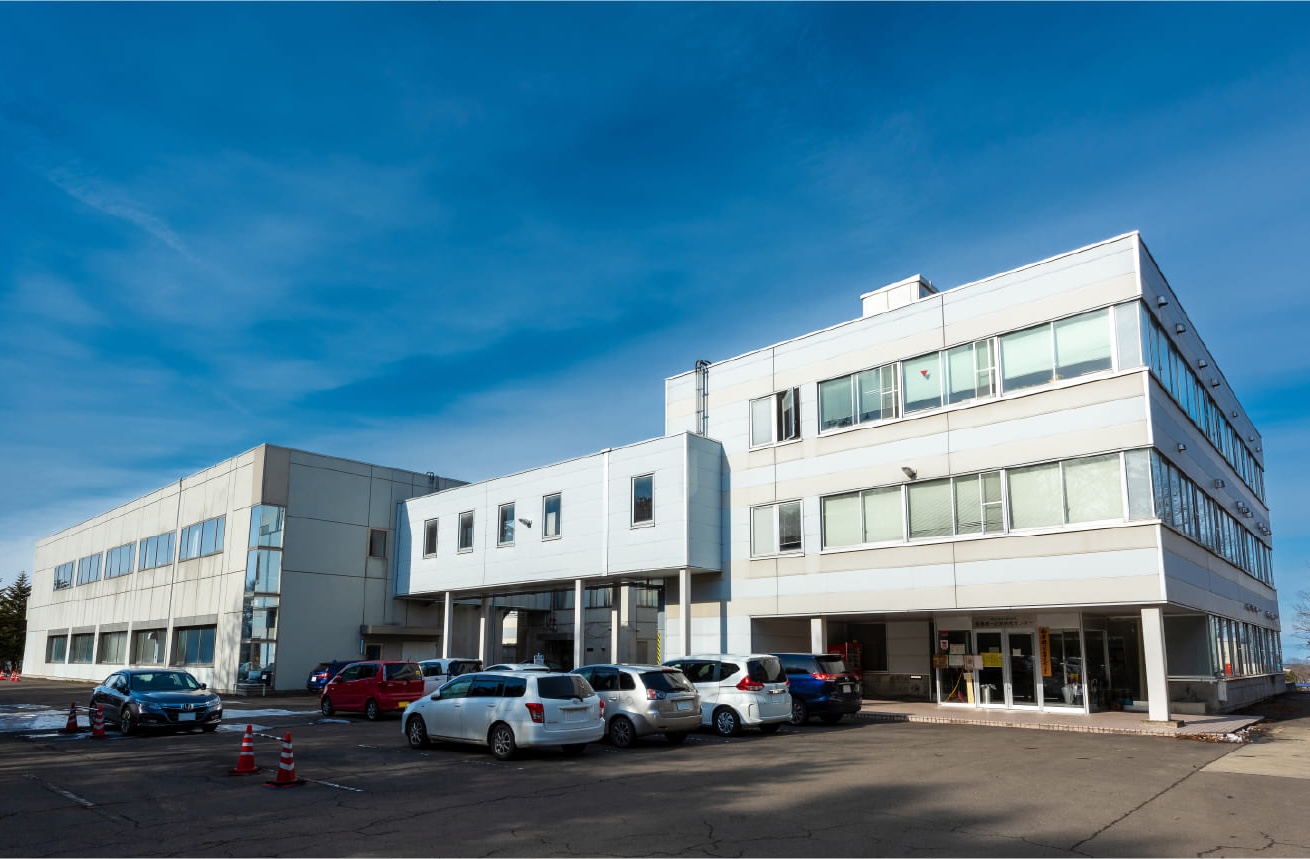
MEMS Design/Process Development Demonstration Hub
R&D and technological evaluation/phototyping for advanced mounting technology for devices such as
・inertial sensor,
・photonics,
・Communication,
etc. for autonomous vehicles.VIEW DETAIL
-
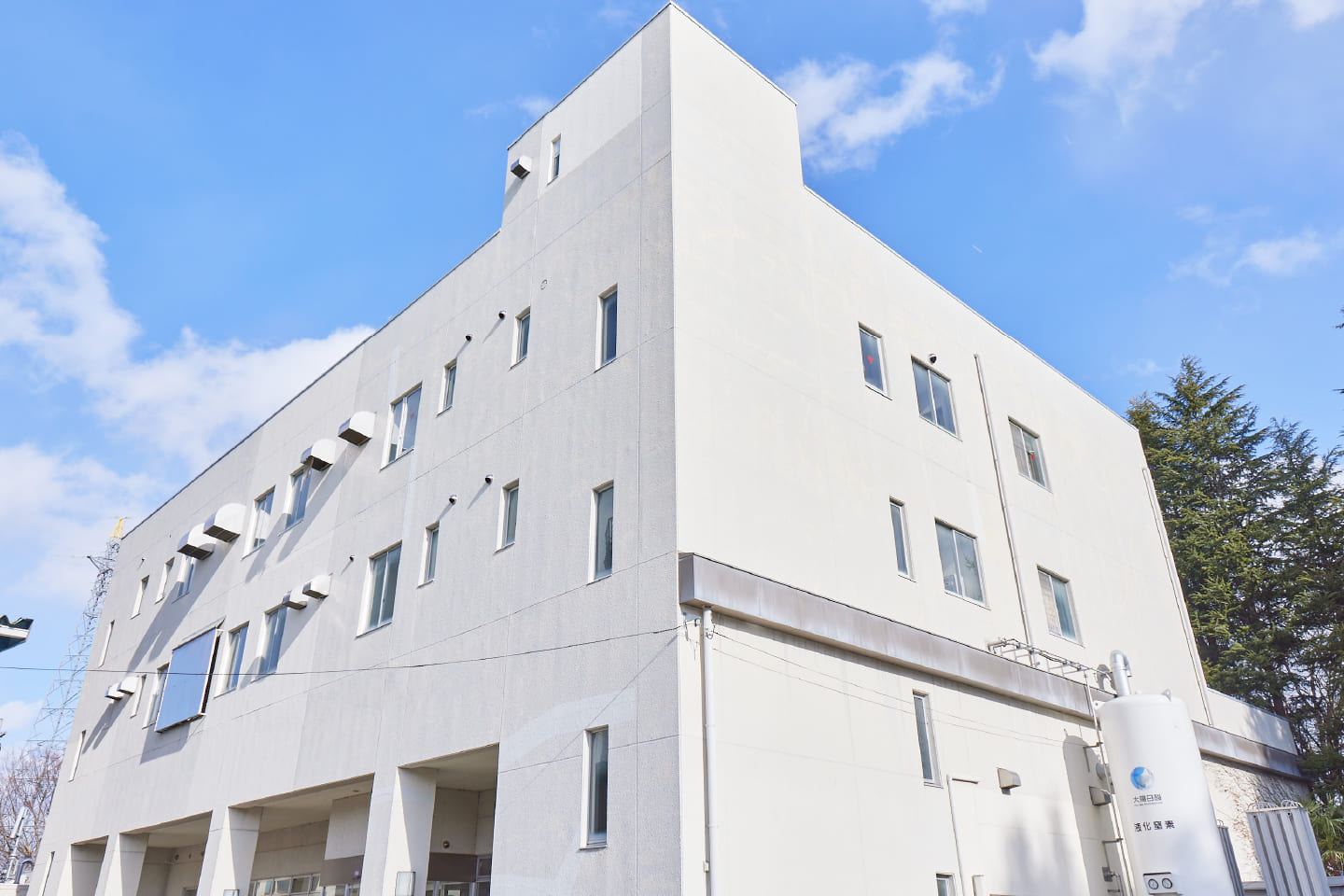
Smart System Ultra-Integration Research and Development Center
This organization was reorganized and renamed in April 2026 to promote research into next-generation smart systems, including chiplet integration, 3D packaging, silicon photonics, quantum and biosensors, and the integration of edge AI.
VIEW DETAIL